Asphalt Parking Lot Sealing in Denver, CO
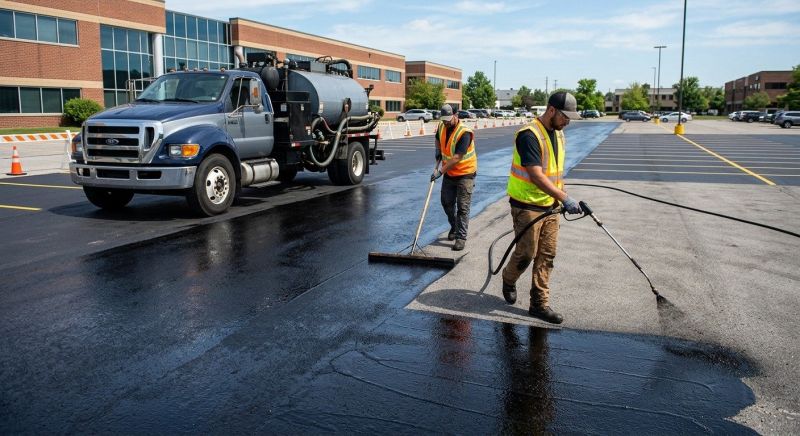
Asphalt parking lot sealing is a maintenance service designed to protect and extend the lifespan of paved surfaces. This process involves applying a protective coating over the asphalt to prevent water penetration, reduce damage from UV rays, and minimize the effects of temperature fluctuations. Property owners often request sealing for driveways, parking lots, and other paved areas to maintain a smooth, attractive surface and avoid costly repairs caused by cracks, potholes, and surface deterioration.
Before requesting asphalt sealing, property owners typically want to understand the current condition of the pavement, including any existing cracks or damage that may need attention beforehand. Proper surface preparation, such as cleaning and repairing existing cracks, is essential for effective sealing. Additionally, understanding the type of sealant used and the recommended frequency of application can help ensure the best results and long-term protection for the paved area.
Many property owners in Denver, CO look into Asphalt Parking Lot Sealing for repairs, replacements, upgrades, and appearance-related improvements.
Enhancing Parking Lot Durability
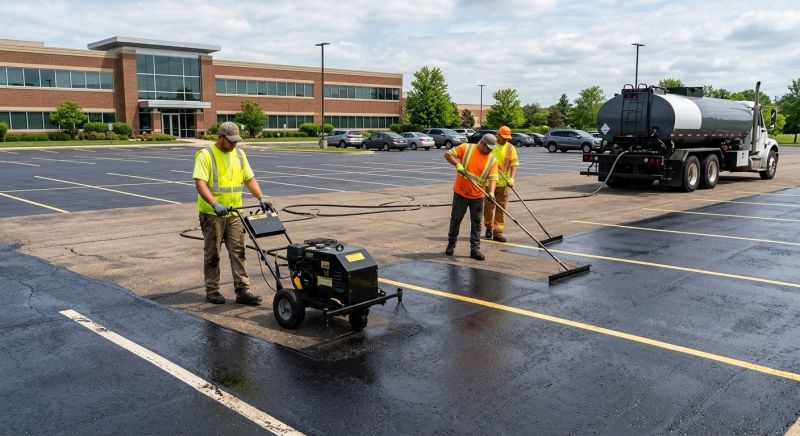
Sealing asphalt helps protect surfaces from water damage and wear caused by traffic.
Maintaining Curb Appeal
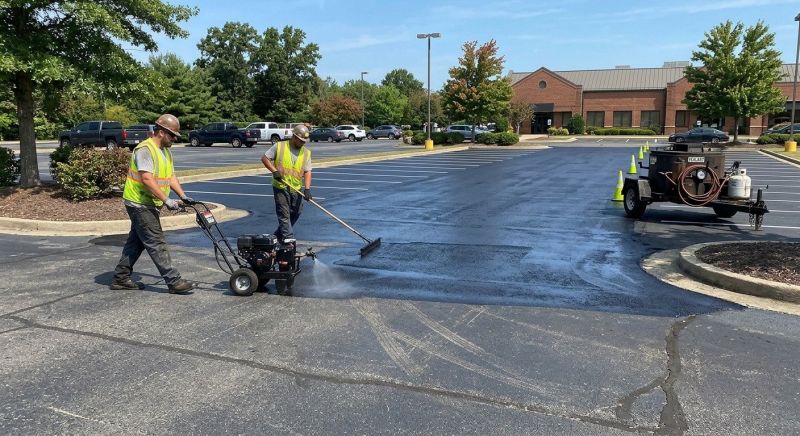
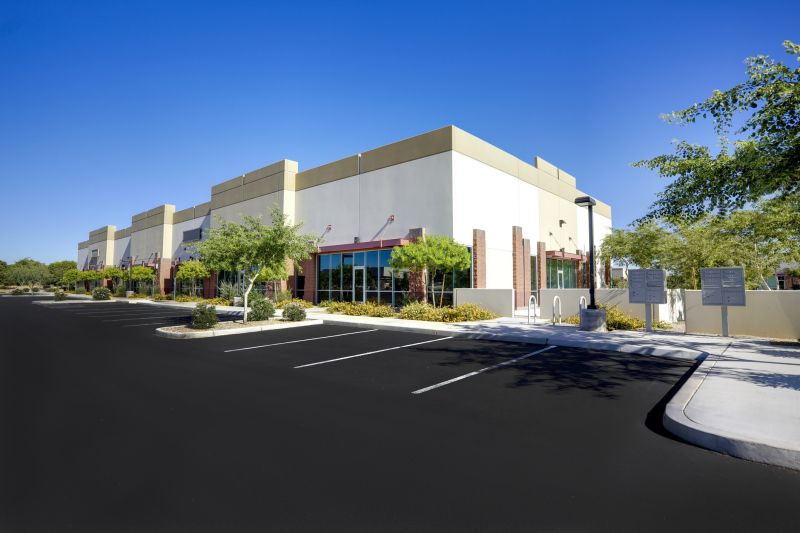
A well-sealed parking lot improves the overall look and safety of commercial and residential properties.
Preventing Costly Repairs
Regular sealing extends the lifespan of asphalt surfaces and reduces the need for costly repairs in denver, co.
Asphalt Parking Lot Sealing in Denver, CO

Asphalt parking lot sealing is a maintenance service designed to protect and extend the lifespan of paved surfaces. This process involves applying a protective coating over the asphalt to prevent water penetration, reduce damage from UV rays, and minimize the effects of temperature fluctuations. Property owners often request sealing for driveways, parking lots, and other paved areas to maintain a smooth, attractive surface and avoid costly repairs caused by cracks, potholes, and surface deterioration.
Before requesting asphalt sealing, property owners typically want to understand the current condition of the pavement, including any existing cracks or damage that may need attention beforehand. Proper surface preparation, such as cleaning and repairing existing cracks, is essential for effective sealing. Additionally, understanding the type of sealant used and the recommended frequency of application can help ensure the best results and long-term protection for the paved area.
Many property owners in Denver, CO look into Asphalt Parking Lot Sealing for repairs, replacements, upgrades, and appearance-related improvements.
Common Asphalt Parking Lot Sealing Jobs
Asphalt Parking Lot Sealing - helps protect pavement from water damage and UV rays.
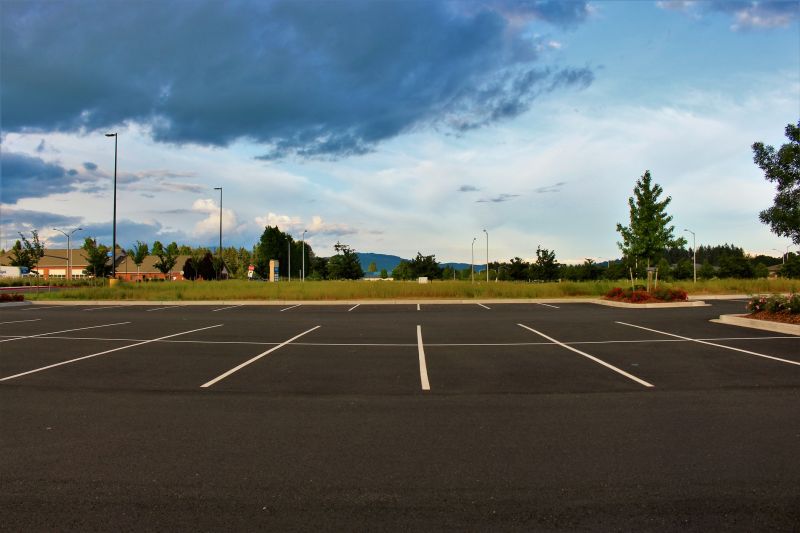
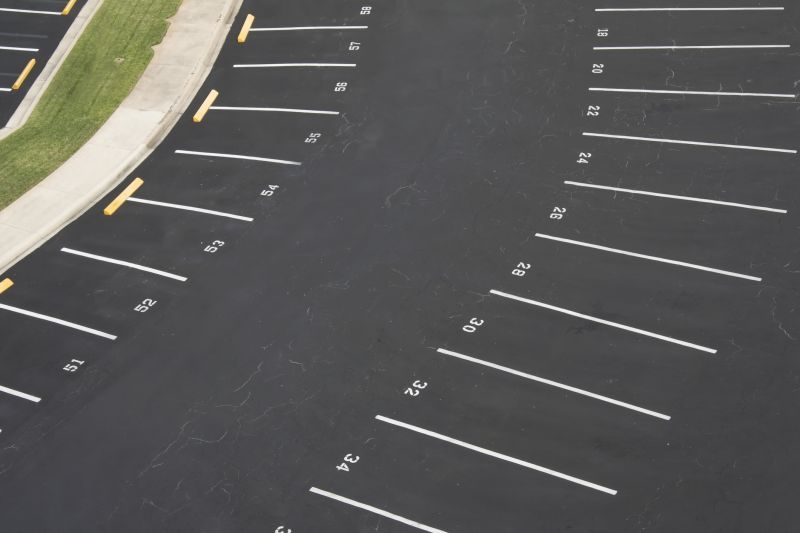
Commercial Parking Areas - extends the lifespan of large parking lots and reduces maintenance costs.
Residential Driveways - enhances curb appeal while providing a durable surface for daily use.
Repaired Pavement - seals cracks and prevents further deterioration of existing asphalt surfaces.
New Asphalt Surfaces - provides a protective coating for freshly laid pavement to ensure longevity.
Pothole and Crack Repair - prepares surfaces for effective sealing to prevent future damage.
Asphalt Parking Lot Sealing Questions
What is asphalt parking lot sealing? It is a process that applies a protective coating to asphalt surfaces to prevent damage from weather and traffic.
Why should property owners consider parking lot sealing? Sealing helps extend the lifespan of the asphalt and maintains a clean, professional appearance.
What types of parking lots benefit from sealing services? Both residential driveways and commercial parking lots can benefit from regular sealing to protect the surface.
How often should parking lots be sealed? Typically, parking lots are sealed every 2 to 3 years to maintain optimal protection.
Request Asphalt Parking Lot Sealing in Denver, CO
Use the quote form on this page to share the basics of your project and request more information for the type of work you need.