Get Commercial Pavement Sealing
Commercial pavement sealing services protect parking lots and driveways from damage, improve appearance, and extend pavement lifespan through professional crack filling and sealing.
If you own commercial property and are considering ways to maintain its appearance and functionality, pavement sealing is an option worth exploring. Properly sealed surfaces can help protect against the wear and tear caused by weather, traffic, and daily use, potentially extending the lifespan of parking lots, driveways, and walkways. For property owners in the area, comparing local contractors who specialize in pavement sealing can provide insights into the available services and approaches, ensuring the work aligns with your property’s specific needs.
Choosing the right service provider involves understanding the options available within the local area. Many property owners find value in consulting with experienced contractors who can assess their pavement conditions and recommend appropriate sealing solutions. Continuing to read can help identify the benefits of professional sealing, as well as how to connect with trusted local service providers equipped to handle commercial pavement maintenance effectively.
- Parking Lot Maintenance - property managers may need sealing services to preserve asphalt and improve curb appeal.
- Driveway Restoration - homeowners seeking to extend the lifespan of residential driveways often look for sealing solutions.
- Commercial Parking Garages - facility owners may require sealing to protect large-scale concrete and asphalt surfaces.
- Retail Center Pavements - shopping centers might need sealing to maintain a professional appearance and prevent deterioration.
- Industrial Facility Surfaces - industrial sites may require sealing to safeguard heavy-duty pavements from wear and chemical damage.
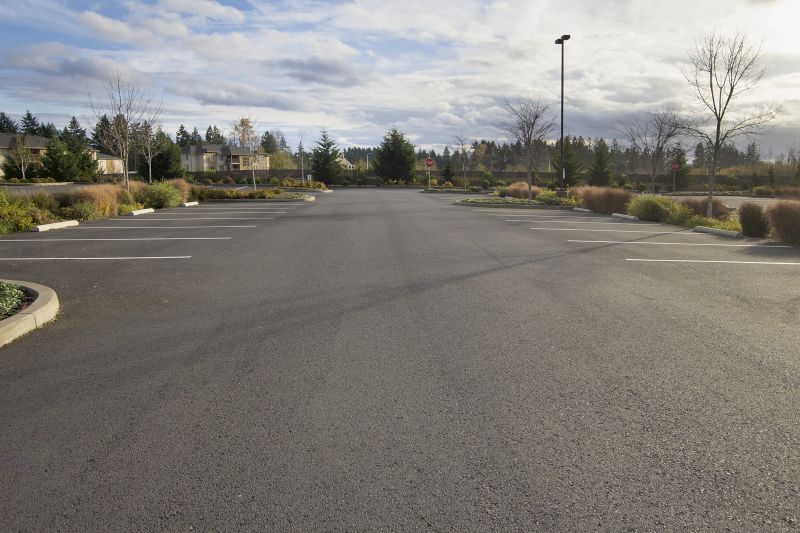
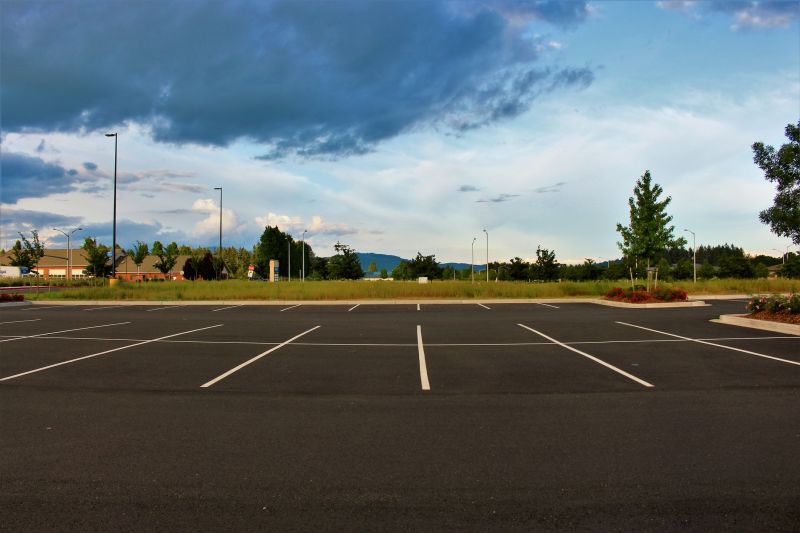
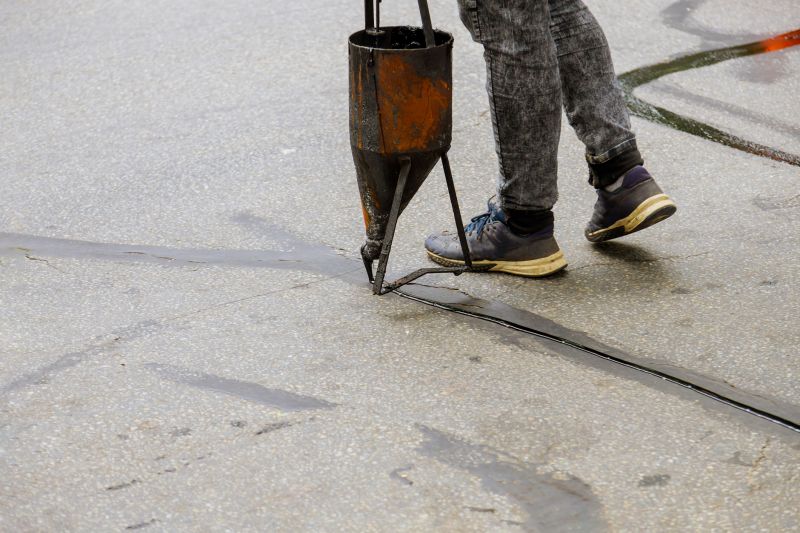
Commercial pavement sealing services involve applying a protective coating to parking lots, driveways, and other paved surfaces to enhance durability and appearance. The process typically includes cleaning the surface thoroughly to remove dirt, oil, and debris, followed by applying a high-quality sealant that creates a barrier against moisture, UV rays, and everyday wear. This treatment helps extend the lifespan of the pavement by preventing cracks, surface deterioration, and damage caused by exposure to the elements. Property owners seeking to maintain a professional and well-maintained appearance often consider pavement sealing as a practical solution to safeguard their investment.
One of the primary benefits of commercial pavement sealing is its ability to address common problems such as surface cracking, fading, and surface erosion. Over time, asphalt and concrete surfaces can become brittle and prone to damage from weather fluctuations, heavy traffic, and chemical spills. Sealing helps fill small cracks and prevents water from seeping into the pavement, which can cause further deterioration and costly repairs. By creating a protective layer, sealing also reduces the risk of oil stains and other contaminants that can compromise the surface’s integrity and aesthetics.
Properties that typically utilize pavement sealing services include parking lots for retail centers, office complexes, apartment complexes, and industrial facilities. Additionally, commercial properties like hospitals, schools, and government buildings with extensive paved areas often seek sealing services to maintain a clean and professional look. Even some larger residential developments or homeowner associations may opt for pavement sealing to keep shared driveways and community spaces in good condition. These properties benefit from the enhanced durability and visual appeal that sealing provides, helping to create a safer and more inviting environment.
Homeowners and property managers who notice signs of surface wear, such as fading, cracks, or oil stains, may find pavement sealing to be a useful maintenance step. Sealing can help restore the appearance of existing pavement and prevent minor issues from escalating into major repairs. It is also a proactive way to protect paved surfaces from the damaging effects of weather and daily use. By connecting with experienced local contractors, property owners can find the right sealing solutions tailored to their specific needs, ensuring their paved surfaces remain functional and visually appealing for years to come.
The overview below groups typical Commercial Pavement Sealing projects into broad ranges so you can see how smaller, mid-sized, and larger jobs often compare in your area.
In many markets, a large share of routine jobs stays in the lower and middle ranges, while only a smaller percentage of projects moves into the highest bands when the work is more complex or site conditions are harder than average.
Smaller Repairs - Typically, local contractors charge between $250 and $600 for routine sealing of small parking areas or driveways. Many projects fall into this middle range, with fewer jobs reaching the higher end of the spectrum. These costs often reflect minor cracks or surface treatments.
Medium-Sized Projects - Larger parking lots or commercial driveways usually cost between $1,000 and $3,000 to seal. Most projects in this category are within this range, though more complex surfaces can push costs higher. This includes multiple coats or surface preparation.
Large Commercial Areas - Sealing extensive commercial pavement surfaces can range from $3,500 to $7,000 or more. Many contractors handle projects in this band, but highly detailed or heavily trafficked areas may incur additional costs. These projects often require specialized equipment and materials.
Full Replacement or Major Resurfacing - When pavement needs significant repair or complete resurfacing, costs can exceed $10,000, with some large-scale projects reaching $20,000+ depending on size and complexity. Such projects are less common and typically involve extensive preparation and materials beyond sealing alone.
Actual totals will depend on details like access to the work area, the scope of the project, and the materials selected, so use these as general starting points rather than exact figures.
Pavement Repair and Resurfacing - These projects involve surface preparation and application techniques similar to sealing, requiring knowledge of asphalt and concrete surfaces.
Parking Lot Striping and Marking - Proper surface sealing can enhance the longevity of markings, making this a related service that benefits from similar planning and surface prep skills.
Driveway Restoration - Restoring and sealing driveways involves surface cleaning, crack repair, and protective coatings, paralleling commercial pavement sealing processes.
Sidewalk and Walkway Coating - Applying protective coatings to concrete walkways shares techniques with pavement sealing, including surface cleaning and surface preparation.
Industrial Floor Coating - This project requires surface preparation and application of durable coatings, similar to commercial pavement sealing in terms of tools and planning.
Basketball Court Resurfacing - Resurfacing sports courts involves surface cleaning, crack filling, and sealing, aligning with the skills used in pavement sealing projects.
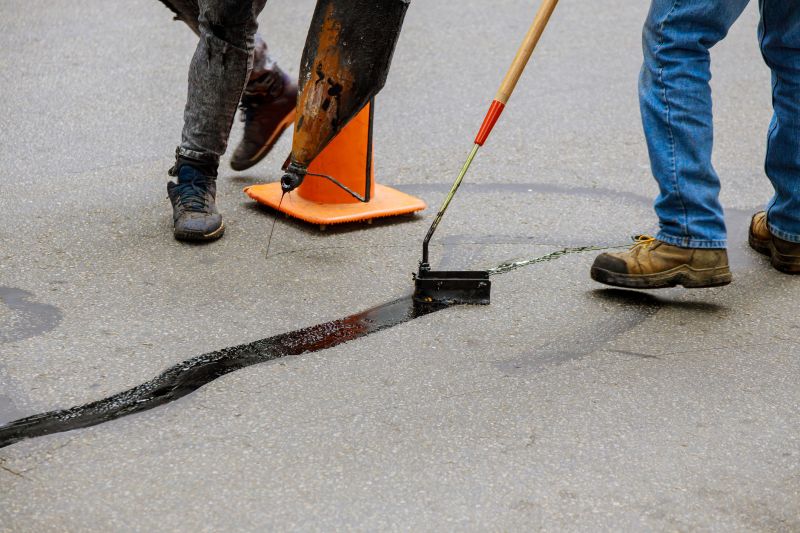
When comparing service providers for commercial pavement sealing, it’s important to evaluate their experience with similar types of projects. A contractor who has worked on comparable surfaces and environments is likely to understand the specific challenges and best practices involved. This familiarity can contribute to a more successful outcome, ensuring the sealing work meets the needs of the property and is completed with quality standards in mind. Asking potential contractors about their past projects and the types of surfaces they have handled can provide insight into their expertise and suitability for the job.
Clear, written expectations are essential when choosing a pavement sealing contractor. A reputable service provider should be able to articulate their scope of work, materials used, and the steps involved in the process. Having this information in writing helps prevent misunderstandings and ensures that both parties are aligned on what will be delivered. It’s also beneficial to request detailed descriptions of the project plan and any warranties or guarantees offered, as these can serve as indicators of professionalism and confidence in their work.
Reputable references and good communication are key factors to consider when selecting local contractors. Speaking with previous clients or reviewing references can offer valuable perspectives on the contractor’s reliability, work quality, and ability to meet expectations. Additionally, a service provider who maintains open and responsive communication is more likely to be attentive to questions, concerns, and updates throughout the project. While the site introduces homeowners to local options, it’s important to remember that it does not perform the work itself, so conducting thorough research and asking targeted questions will help identify the best fit for the specific pavement sealing needs.
Property owners use Commercial Pavement Sealing services for practical projects around their homes and businesses. This guide focuses on everyday jobs and straightforward project options.
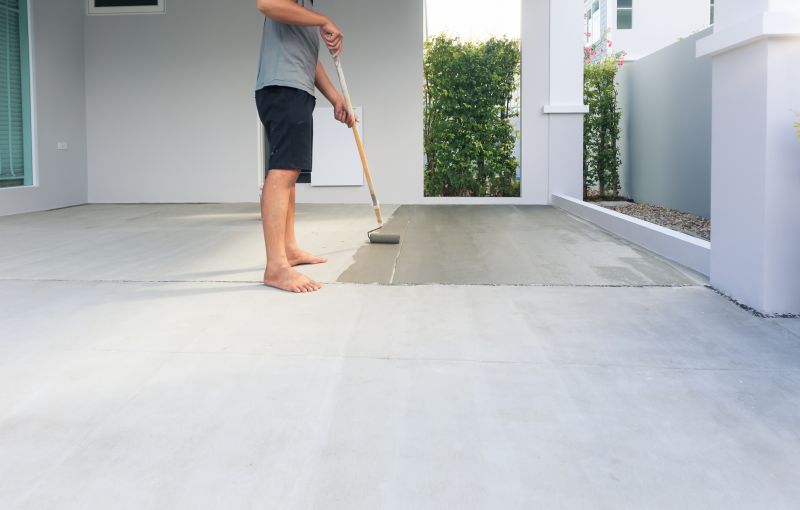
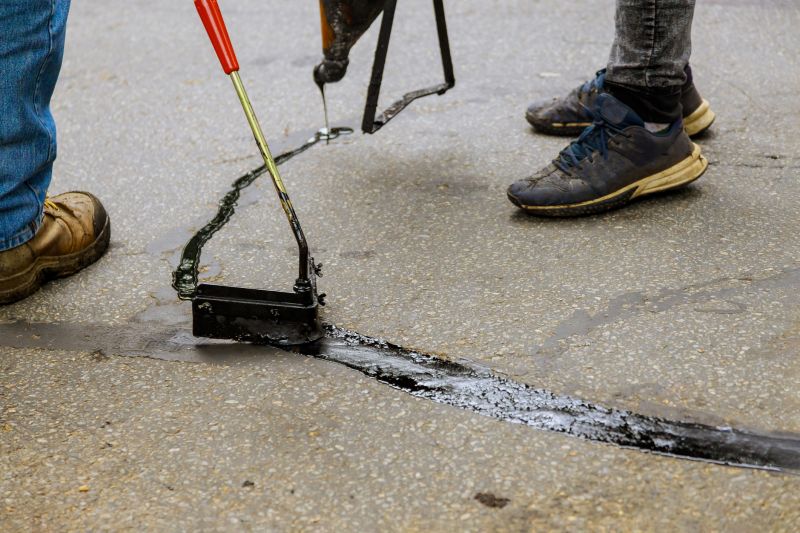
Commercial pavement sealing is a common service requested by property owners looking to protect and extend the lifespan of their parking lots, driveways, and other paved areas. Local contractors are often called upon to seal surfaces that experience daily vehicle traffic, helping to prevent damage from water, UV rays, and general wear and tear. Whether managing a retail center, office complex, or industrial site, property owners seek these services to maintain a professional appearance and reduce long-term repair costs.
Many property owners turn to local service providers to address issues like surface cracking, fading, or surface deterioration that can occur over time. Sealing asphalt or concrete surfaces can improve curb appeal and help preserve the integrity of the pavement against the elements and heavy use. Local contractors are equipped to handle these projects efficiently, providing a practical solution to keep commercial properties looking well-maintained and functional.
What is commercial pavement sealing? Commercial pavement sealing involves applying a protective coating to asphalt surfaces to help prevent damage from weather, chemicals, and daily wear.
Why should businesses consider pavement sealing? Sealing can extend the lifespan of parking lots and driveways, reduce maintenance needs, and improve overall appearance.
How often should commercial pavement be sealed? Typically, sealing is recommended every 2 to 3 years, but it can vary based on traffic and environmental conditions.
What types of local contractors provide pavement sealing services? Many experienced pavement contractors specialize in sealing asphalt surfaces for commercial properties, offering professional application and surface preparation.
How can I find qualified service providers for pavement sealing? This website can help connect with local contractors who specialize in commercial pavement sealing to compare options and get the job done properly.
Parking Lot Maintenance - Property owners can extend the lifespan of their parking lots by sealing cracks and protecting surfaces from weather damage.
Driveway Preservation - Sealing a residential driveway helps prevent stains, weathering, and surface deterioration over time.
Business Exterior Care - Commercial property managers can maintain a professional appearance by sealing and protecting walkways and loading zones.
Pavement Repair Planning - Property owners can schedule sealing services as part of ongoing maintenance to avoid costly repairs later.
If you are thinking about Commercial Pavement Sealing for a property, this guide is meant to help you understand the work, the typical project types, and how different options might fit your plans.
When you are ready, you can use the quote form on this page to share a few details about your project. From there, local pros can review the basics and respond with options that match what you have in mind.